Description
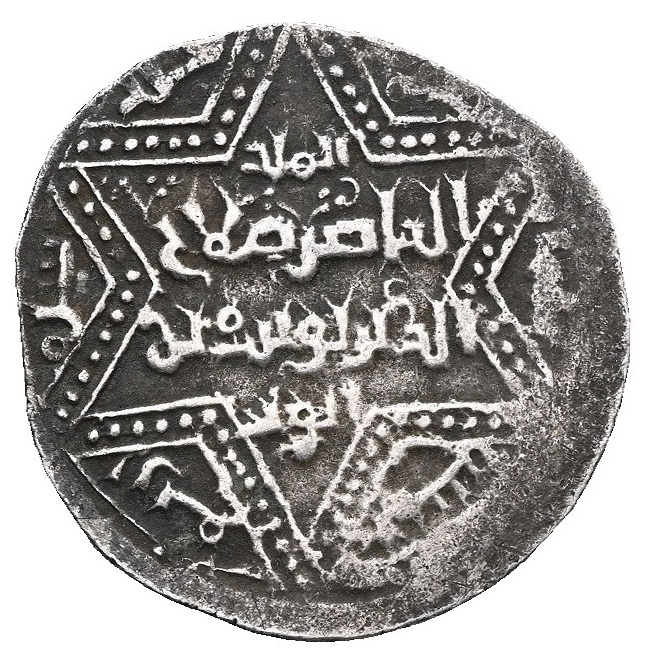
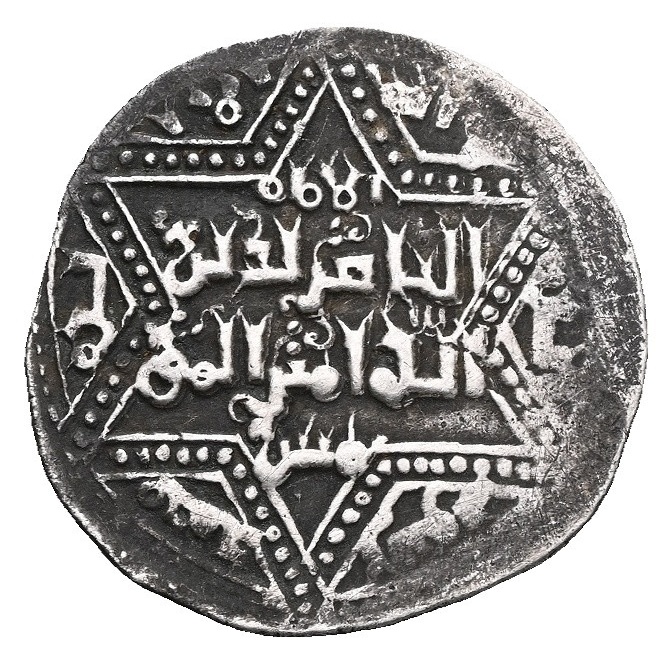
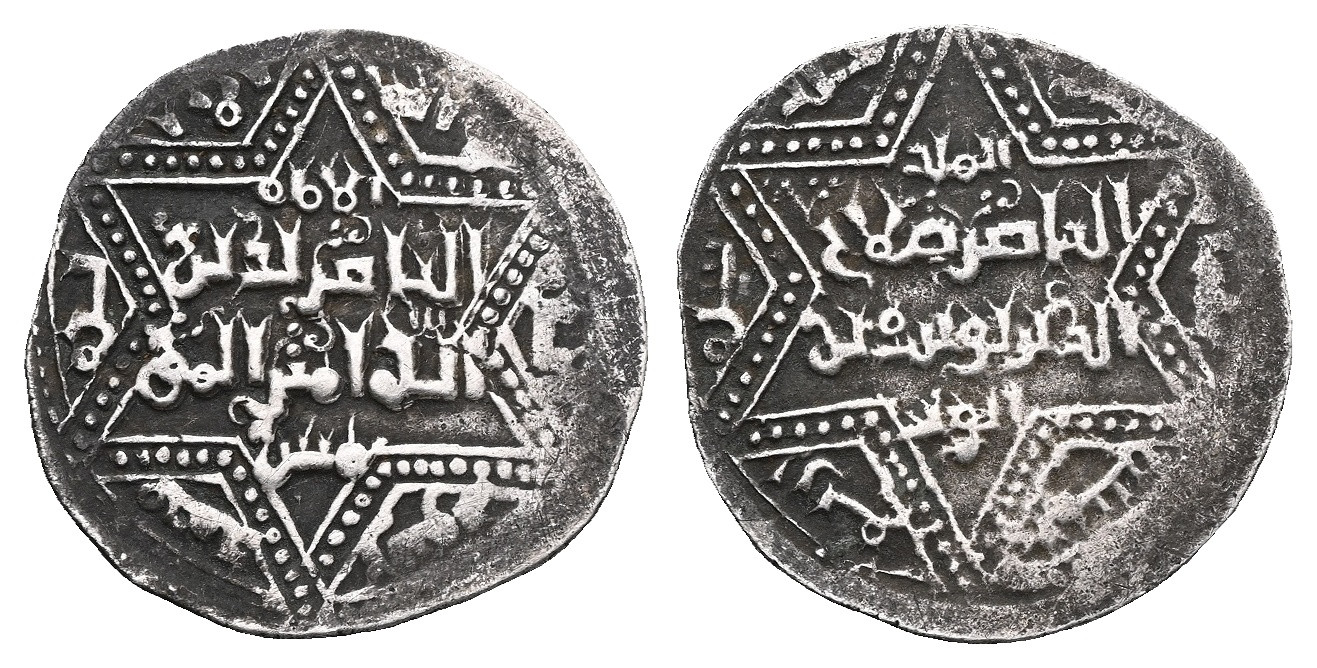
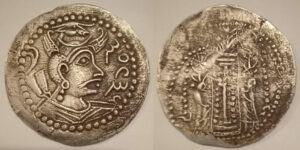
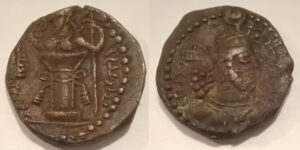
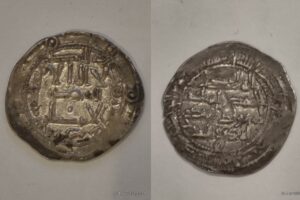
House of Emirates® is thrilled to offer its elite clientele this extraordinary, rare and Investment-grade Silver Dirham of Sultan Salah al-Din Yusuf ibn Ayyub (Saladin), struck in Misr (Cairo) in 564 AH, corresponding to 1168–1169 AD.
This is not merely a coin, but a surviving witness to one of the most dramatic turning points in Islamic and world history, minted at the very moment Saladin was consolidating power in Egypt and laying the foundations of the Ayyubid dynasty. The bold six-pointed star design, filled with powerful Arabic inscriptions proclaiming Islamic authority and legitimacy, reflects the ideological and political confidence of Saladin’s rule during the final years of the Fatimid Caliphate.
Coins from this exact year and mint are exceptionally scarce, as production was limited and the period itself was marked by military tension, administrative transition, and profound historical change.
Struck in fine silver with a diameter of 22.7 mm and a weight of 2.9 grams, this dirham exemplifies the refined monetary standards of the 12th-century Islamic world. The calligraphy is deeply engraved and visually commanding, framed within the iconic star motif that symbolized unity, faith, and sovereignty. The mention of Misr, one of the most important mints of the medieval Islamic economy, elevates the significance of this piece even further. Coins struck in Cairo under Saladin are particularly sought after by advanced collectors, as they represent the dawn of Sunni restoration in Egypt and the rise of a leader whose name would echo across Crusader and Islamic chronicles alike. The surfaces show honest circulation wear consistent with age, enhancing authenticity while preserving clear historical legibility.
For savvy investors, this rare Saladin silver dirham stands at the intersection of numismatics, geopolitics, and legacy wealth preservation. Saladin remains one of the most revered figures in both Eastern and Western history, admired for his military brilliance, chivalry, and statesmanship. Owning a coin struck during his lifetime—especially one dated to 564 AH in Misr—is akin to holding a tangible fragment of the Crusades era itself. Such pieces are increasingly recognized as alternative hard assets, combining cultural prestige with long-term scarcity and global demand. This is a cornerstone acquisition for any serious collection of Islamic, Crusader-era, or medieval silver coinage.