The independence of Finland stands as one of the most defining chapters in Northern European history—a moment forged in political tension, cultural awakening, and the collapse of empires. For centuries, Finland existed under foreign rule, first as part of the Kingdom of Sweden and later, from 1809, as an autonomous Grand Duchy within the Russian Empire. Although the Finnish people retained their language, laws, and certain institutions, sovereignty remained out of reach. Yet throughout the 19th century, a powerful national consciousness began to grow. Literature, art, and scholarship nurtured a distinct Finnish identity, preparing the intellectual and emotional foundation for eventual statehood.
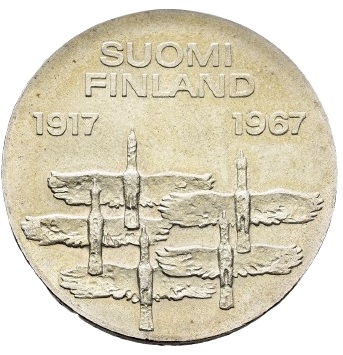
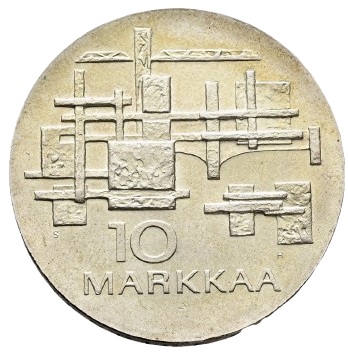
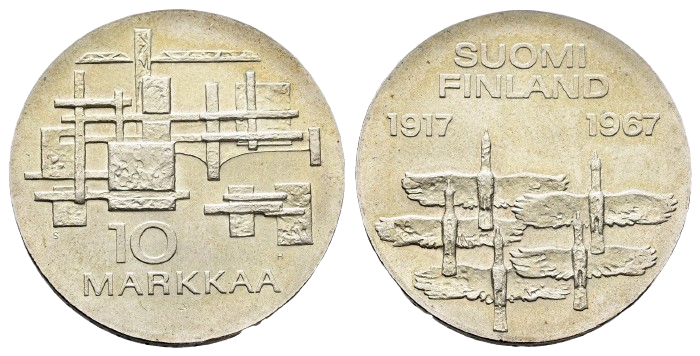
The turning point arrived amid the chaos of the First World War and the Russian Revolution. In 1917, as the Russian Empire unraveled and political authority weakened, Finland seized its historic opportunity. On December 6, 1917, the Finnish Parliament formally declared independence. The declaration was later recognized by revolutionary Russia, and gradually by other nations, cementing Finland’s place among sovereign states. However, freedom did not arrive peacefully. In early 1918, Finland descended into a brutal civil war between the “Reds,” aligned with socialist movements, and the “Whites,” representing conservative and nationalist forces. The conflict was short but devastating, leaving deep social scars. Ultimately, the White forces prevailed, shaping Finland’s political direction and affirming its independence, though at great human cost.
Emerging from civil strife, Finland began the complex work of nation-building. It established democratic institutions, adopted a republican constitution in 1919, and pursued policies that strengthened social cohesion and economic resilience. The young republic faced further trials during the Second World War, particularly in conflicts with the Soviet Union, yet it preserved its sovereignty against overwhelming odds. These wartime experiences reinforced a national ethos centered on determination, unity, and pragmatic diplomacy. Finland’s ability to maintain independence while navigating geopolitical pressures became a defining feature of its 20th-century identity.
Over the decades, Finland transformed from a largely agrarian society into a modern, innovative, and prosperous nation. It invested heavily in education, technology, and social welfare, creating a model often admired worldwide. Independence was not merely a political status—it became the foundation for cultural confidence, economic creativity, and social stability. The Finnish language and traditions flourished, while democratic values remained deeply rooted in public life.
Today, Finland’s Independence Day, celebrated annually on December 6, is both solemn and proud. It honors the sacrifices made in 1917 and the resilience shown in the years that followed. Independence for Finland was not granted easily nor maintained effortlessly; it was earned through courage, unity, and vision. More than a historical event, it remains a living principle—an enduring testament to a nation that claimed its right to self-determination and built a stable, respected state from the shifting tides of European history.