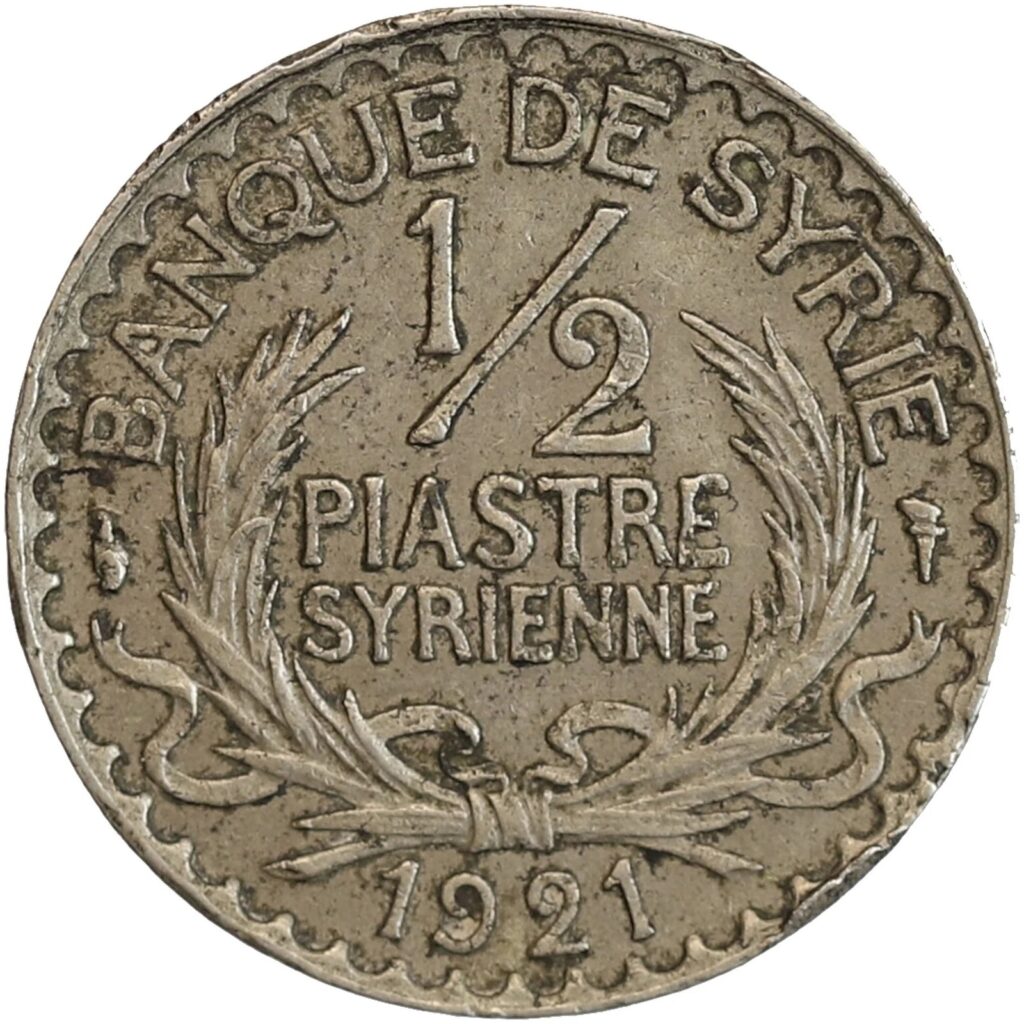
The allure of Syrian coinage minted under the French Mandate is currently reaching a fever pitch in the global numismatic market, representing a fascinating intersection of colonial history, artistic brilliance, and extreme modern-day scarcity. Investors are turning their attention toward the Levant, specifically the years between 1920 and 1946, as these coins have transitioned from historical curiosities into high-value alternative assets. This surge in price and demand is not merely a trend but the result of a “perfect storm” of geopolitical factors and the intrinsic rarity of the pieces themselves.
To understand why a silver 50 piastre coin from 1929 is now commanding record-breaking prices at auction, one must look at the unique circumstances of its birth. Following the collapse of the Ottoman Empire, the French administration introduced a currency system pegged to the French franc. This created a distinct hybrid aesthetic where traditional Arabic calligraphy met Western Art Deco design. These coins were produced in relatively low mintage numbers compared to European or American currency of the same era, meaning the original pool of available specimens was already limited from the outset.
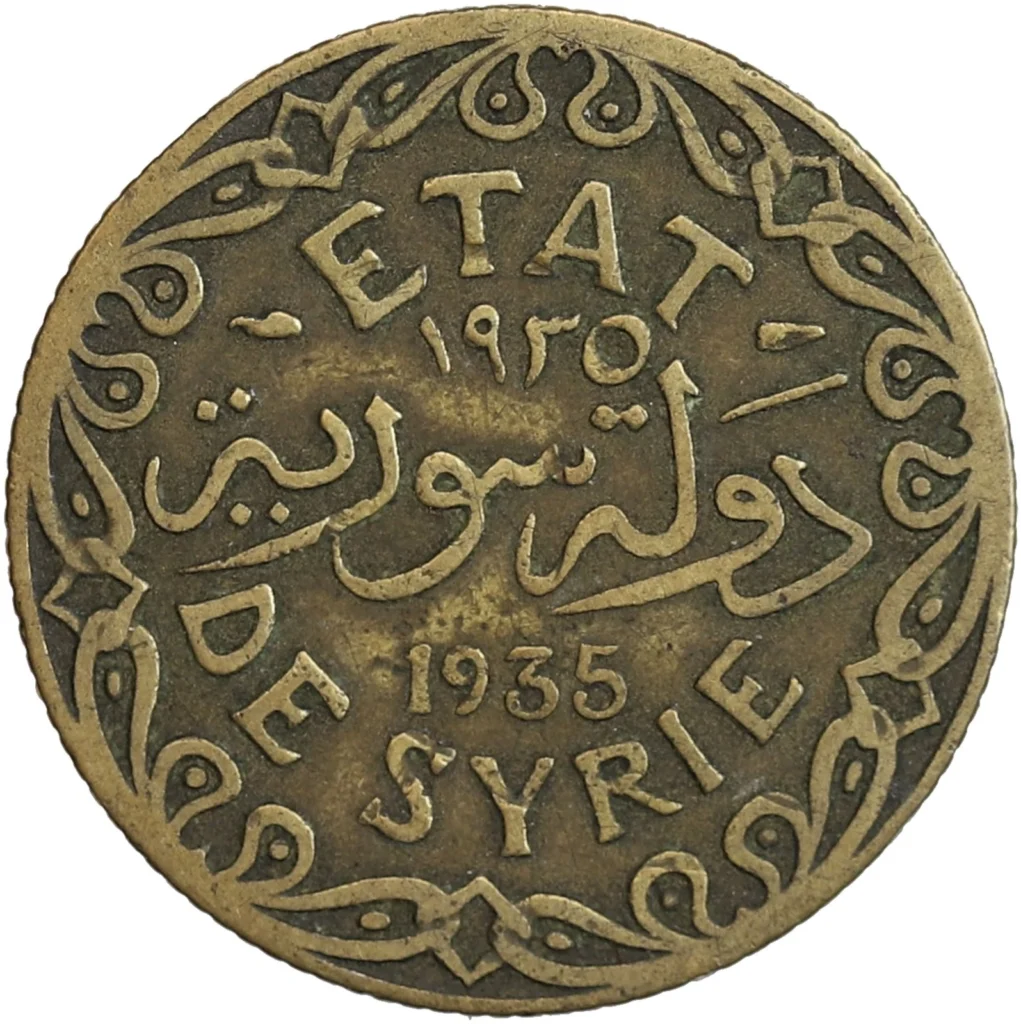
The primary reason these coins are becoming so rare today is a tragic combination of historical “melts” and modern-day conflict. During the mid-20th century, as silver prices fluctuated and the newly independent Syrian Republic moved toward its own sovereign currency, massive quantities of Mandate-era silver piasters were withdrawn from circulation and melted down for their bullion value. This decimated the surviving population of high-grade specimens. Furthermore, the devastating civil unrest in Syria over the last decade has led to the loss of countless private collections. Coins that remained within the country were often hidden, lost, or damaged, leaving only a small fraction of “clean” coins available on the international market.
As we move through 2026, the economic landscape has shifted toward tangible investments, and Syrian Mandate coins have emerged as a premier “refuge” asset. Because these coins are no longer being found in the “wild” or in local Middle Eastern markets, the competition for existing pieces in the West has become fierce. Investors recognize that the supply is essentially capped, while the demand from a growing class of wealthy collectors in the Arabian Gulf and the Syrian diaspora continues to climb. This imbalance is driving prices for even common-date nickel-brass coins into the hundreds of dollars, while rare silver issues or high-grade World War II emergency strikes are fetching thousands.
Authenticity and condition are the final pillars supporting these skyrocketing valuations. During the chaotic years of the Second World War, the French Mandate authorities were forced to mint coins under duress, using inferior metals and hurried processes. Finding a 1940s-era brass or aluminum coin in “Uncirculated” condition is an extreme rarity, as most were used heavily in a wartime economy.
For the modern numismatic investor, owning one of these pieces is not just about the metal content; it is about owning a fragment of a vanishing history. As the supply continues to dry up and the historical significance of the French Mandate era is re-evaluated by historians, the trajectory for these coins remains upward, making them some of the most prestigious and expensive items in the world of Middle Eastern numismatics today.